"Quantum leap" gets used loosely in self-help, in manifestation content, in the kind of Instagram caption that sounds profound and means almost nothing. I want to try to say something more specific.
In physics, a quantum leap is what happens when a particle jumps from one energy state to another without passing through the space in between. It doesn't travel the distance. It's simply in one state, and then it's in another. No gradual transition, no middle ground.
That's the metaphor, and it's a good one.
Because the experience that people describe when they talk about a "timeline shift" isn't gradual. It's not incremental improvement or slow progress toward a goal. It's a jump, one day you're living inside one version of your life, and then something shifts (internally, usually) and you're inside a different one.
You are now a new version of self. And sometimes it's not until you're living in the new one that you realize the old one is gone. You don't feel the shift, until it's over.
What actually shifts
Here's what I think is really happening when someone describes quantum leaping into a new timeline:
The external circumstances often don't change immediately. What changes is your relationship to them: your fundamental assumption about who you are, what's possible, what story you're living inside.
And because everything downstream of that assumption changes too: your decisions, your energy, what you notice and act on, how you show up, the external reality eventually reorganizes around the new internal state.
This is why Neville Goddard's framework maps so cleanly onto this concept. He'd say you're not leaping to a new timeline so much as selecting an existing one...stepping into a version of reality that was always available, that you simply hadn't assumed was yours before.
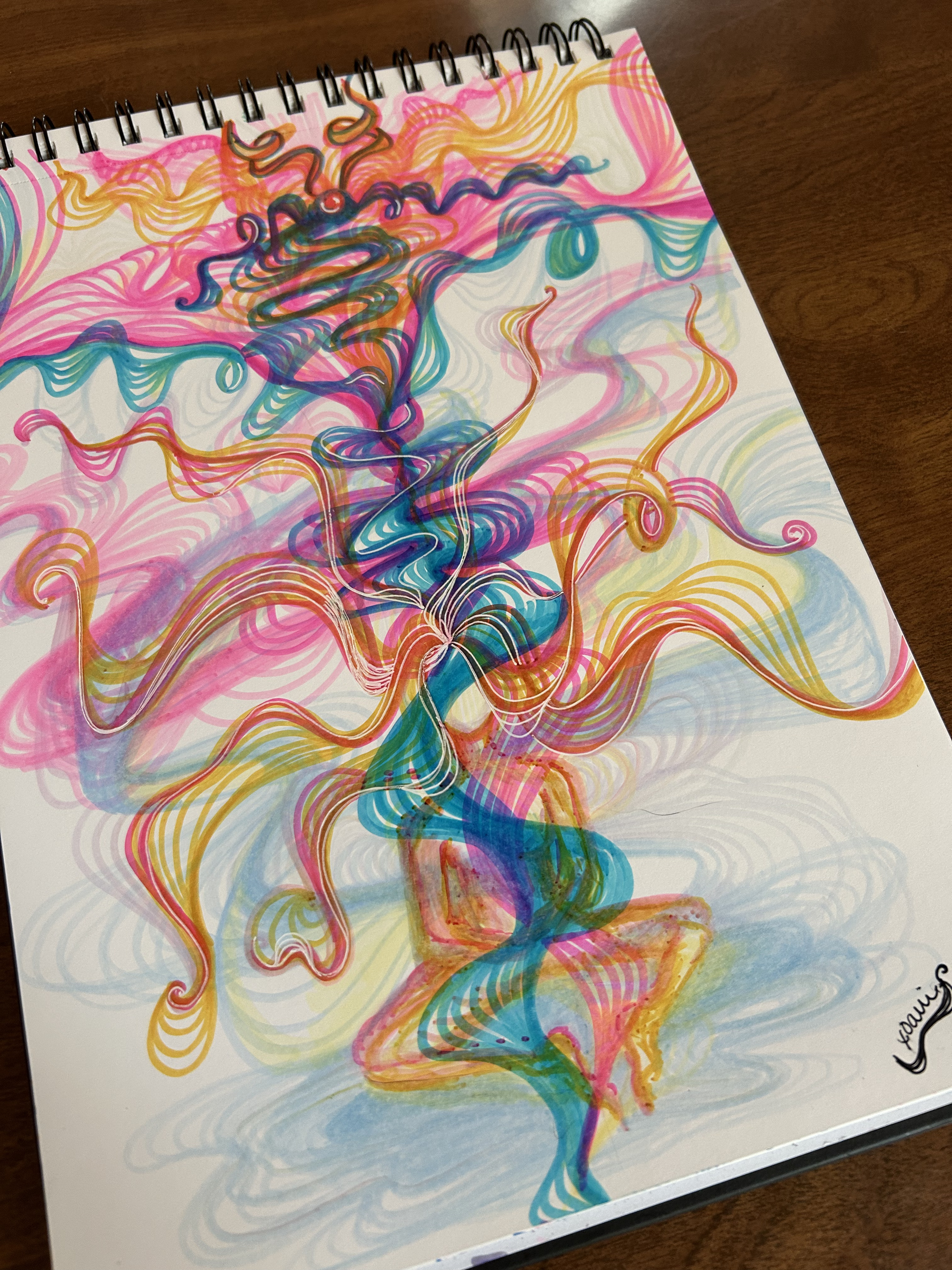
"The figure isn't waiting to be transported. She's choosing."
The practice: letting it be simple
A lot of the content around timeline shifting overcomplicates it. Elaborate meditations, specific scripting rituals, detailed visualization protocols. Those can be useful. But the core of the practice is simpler:
Notice which version of yourself you're being right now. The worried one, the contracted one, the one who believes things are hard? Or the one who's already on the other side of the thing you want: loose, certain, living from arrival rather than toward it?
The shift between those two states is the quantum leap. Everything else is downstream of it.
A game I play with my family when we're talking about something we want: instead of discussing it as a future hope, someone says "let's shift to that timeline" and we all hold it as already true for a minute. Speak from that place. Feel what it feels like. It's small and domestic and it works.
One thing worth naming
The timeline you're shifting to isn't fictional. It's not a fantasy or a positive thinking exercise. In the parallel timelines framework, every version of your life that's possible actually exists — you're not creating it from scratch, you're selecting it. The work is less about building and more about alignment: becoming the version of yourself who already lives there.
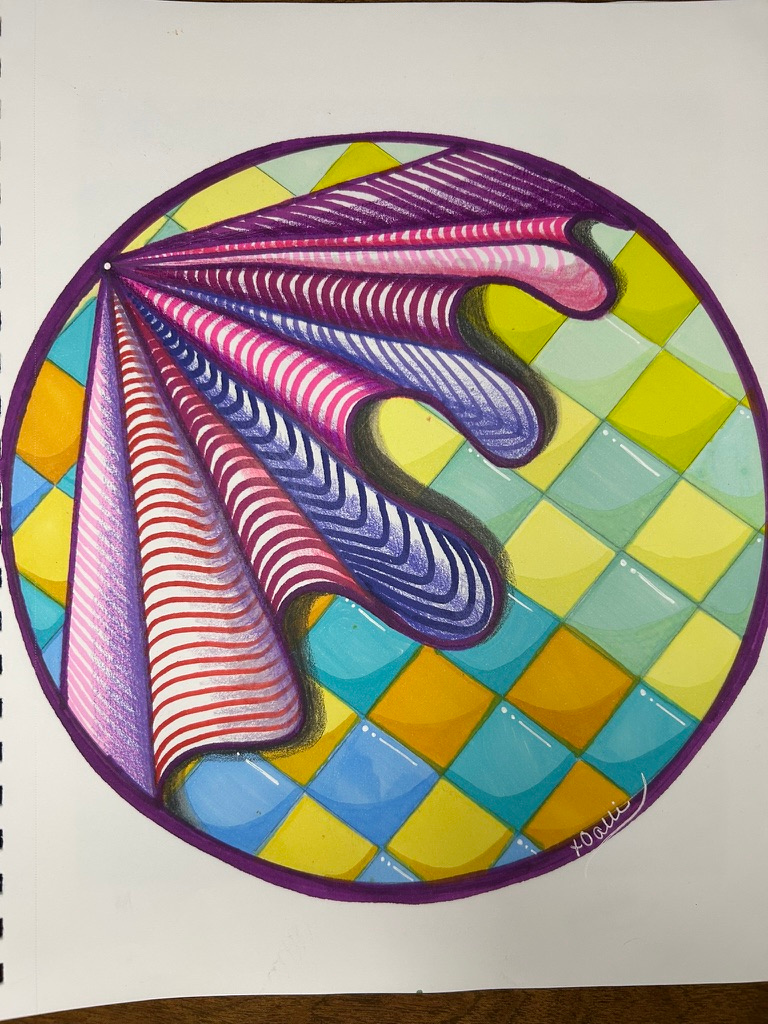
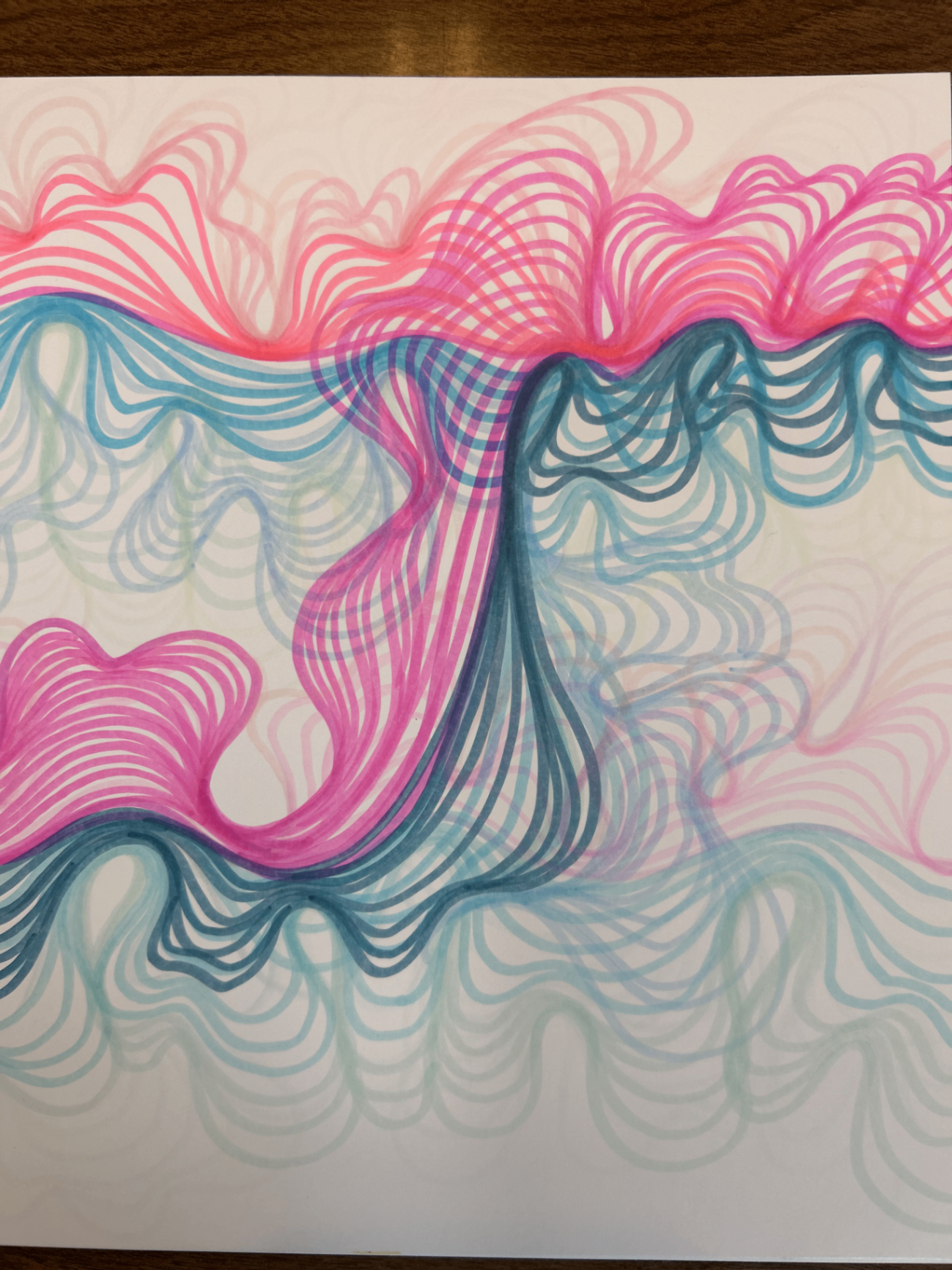
That's what the art is about. Making that selection visible.